
What a brand activation actually is
A brand activation is a live marketing experience that puts your brand directly in front of your target audience. Not as an advertisement they can skip, but as something they choose to engage with. That might be a product sampling campaign, a pop-up experience, a stunt that earns media coverage, or a carefully positioned activation at a major event. The format matters less than the outcome. When an activation is well designed, people remember it. They share it. And that memory does work for the brand long after the activation is over.
Experiential marketing is the broader thinking behind this. Rather than interrupting people with advertising, experiential marketing earns attention by creating something genuinely worth participating in. It builds emotional associations between a brand and its audience that passive media rarely achieves. Done properly it stops being a one-off tactic and becomes one of the most cost-efficient channels in a brand’s marketing mix.

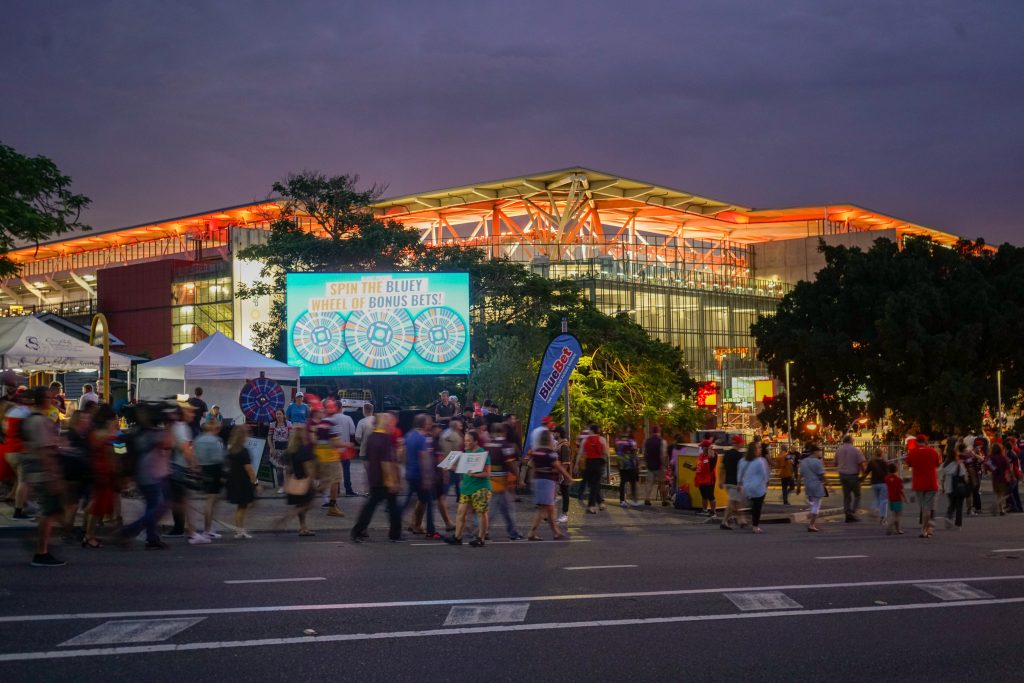
Why planning is what seperates good activations from expensive ones
Most activations that underperform do not fail because of a bad idea. They fail because the planning behind the idea was not thorough enough. The location was not properly assessed. The permits took longer than expected. The exclusion zones were not checked before production was locked in. The content was not planned ahead of the activation day, so the moment passed before anything went live.
We have been doing this long enough to have seen every version of those mistakes, made by other agencies and in the early years occasionally by us. That experience is where our real value sits. Not in the creative concept, but in the operational discipline that makes the concept actually work on the day.
How we approach activations
Every activation we run starts in the same place: the audience. Before any ideas are developed, we want to understand who we are trying to reach, where they already spend their time, and what moves them. A younger demographic might be best reached at or around a music festival. A family audience might be better served at a weekend market or a shopping centre with predictable foot traffic. The brand’s Unique Selling Proposition needs to be embedded in the activation mechanic itself, not just applied to the branding around it.
From there we work through location strategy, which is one of the most consequential decisions in any activation. The difference between activating in a shopping centre, a council approved public space or on private commercial land next to a major event goes well beyond cost. Each carries different lead times, different approval requirements, different operational constraints and different levels of control over the experience. We know the approval bodies and permit processes across every major Australian market and factor all of this into the strategy before a single production decision is made.
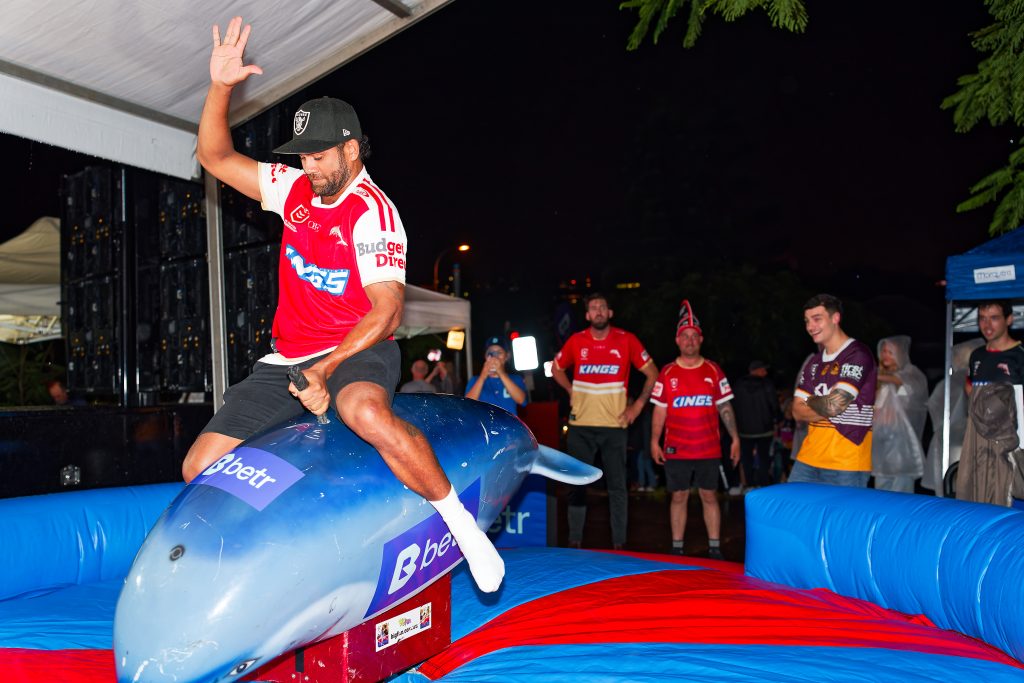
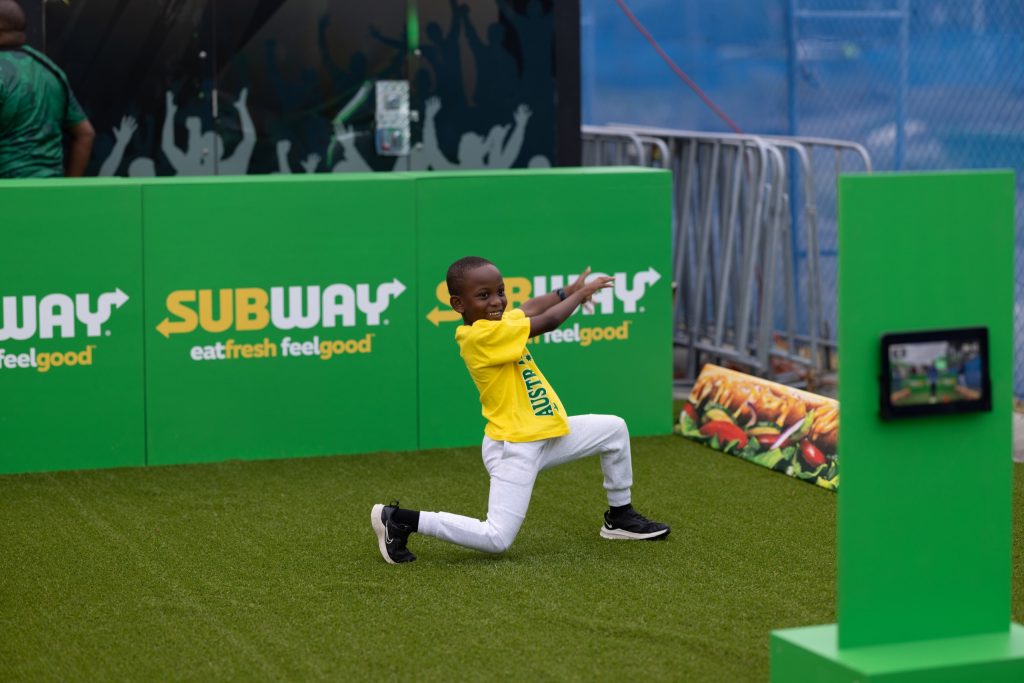
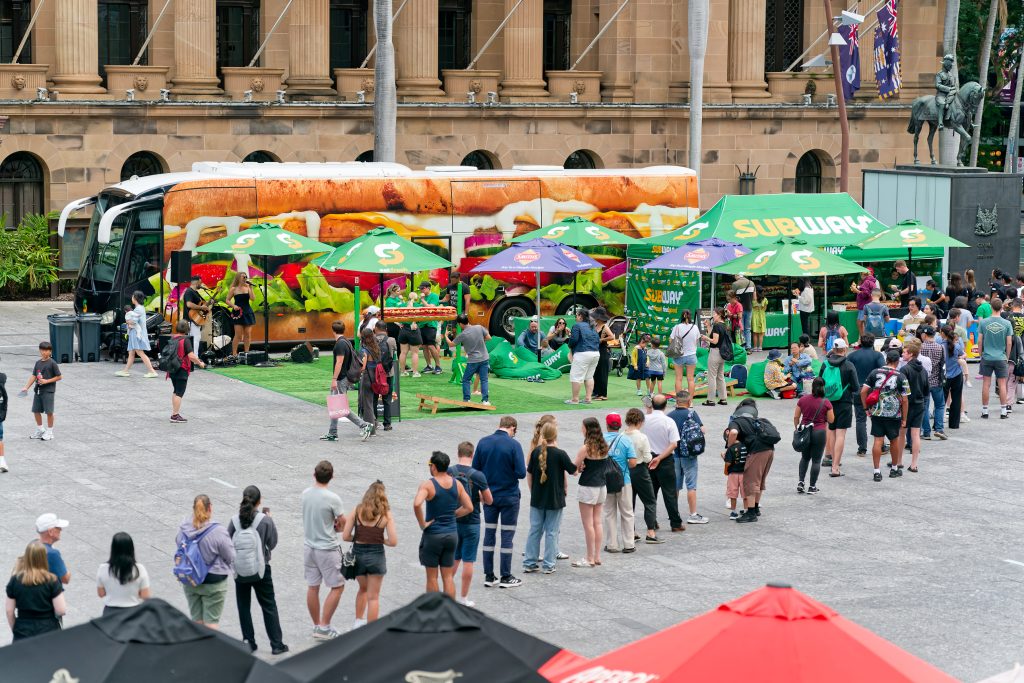
Creative development follows, and the question we are always asking is: what is the single moment people will photograph and share? We call this the wow moment. It is the thing that stops someone walking past, rewards them for stepping closer, and compels them to tell someone else about it. That moment is not accidental. It is designed deliberately, tested against a simple question: if someone shares one photo from this activation with no caption, does it communicate the brand?
Operations are where activations are won or lost. We produce detailed run sheets for every activation covering power access, bump in logistics, staffing ratios, queue management, weather contingencies, public liability requirements and emergency contacts. This is not glamorous work, but it is the work that determines whether the experience feels effortless to the consumer or chaotic. After 14 years and hundreds of activations across Australia, we have never had an event shut down by a council or venue authority.
Pre-promotion is something many brands overlook. Relying on organic foot traffic alone is a risk that is easy and inexpensive to reduce. A targeted paid social campaign focused on the local area in the days before an activation consistently improves attendance. We also work with venue partners and event organisers to leverage their existing audience channels, including EDMs, social accounts and on-site signage, to drive additional traffic to the brand footprint.
Amplification after the event is often where the real return on investment is secured. The content captured at an activation, consumer reactions, product interactions, genuine brand moments, consistently outperforms standard creative in paid media. We plan the deployment of that content before the activation day runs, so it is ready to go live within hours of the experience closing while the momentum is still high.
Where we work
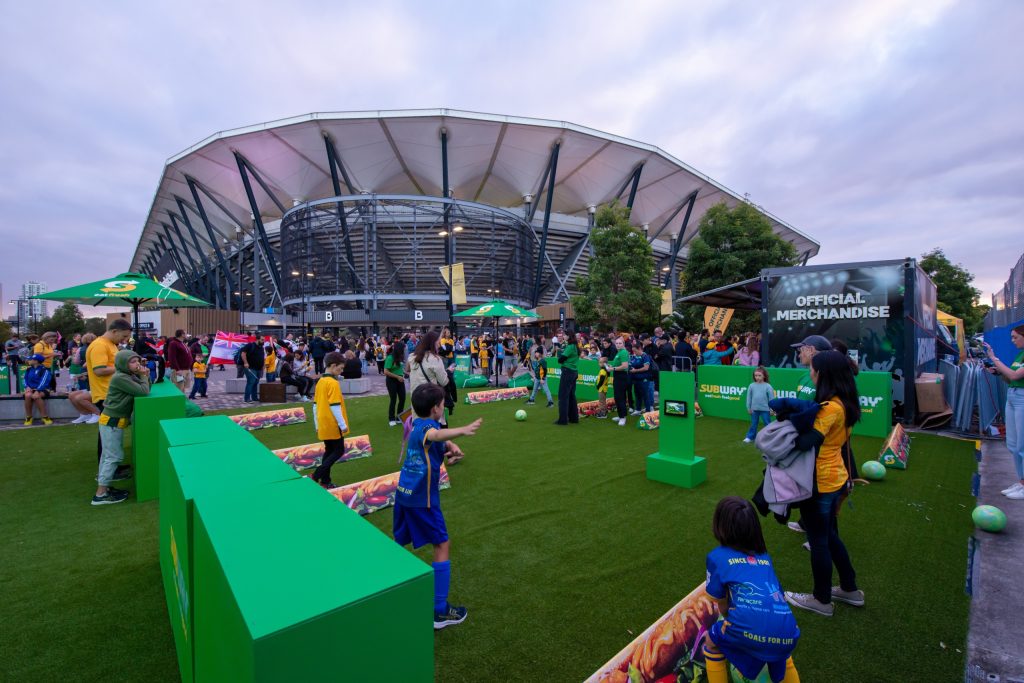
We plan and deliver activations across Sydney, Melbourne, Brisbane, Perth and Adelaide, and we manage national campaigns across multiple cities simultaneously. We have established permit relationships with local councils and direct contacts with the major shopping centre groups operating across Australia. For activations near major events, we have experience working within and around the approval structures of stadiums, festivals and major sporting events in every major market.
What does a brand activations agency actually do?
A brand activations agency takes an idea from strategy through to execution in the real world. That covers audience insight, creative development, location sourcing, permit acquisition, production and logistics management, staffing, on site operations, content capture and measurement after the event. Some agencies handle parts of this. We handle all of it, which is why the brands and agencies we work with tend to stay with us.
How far in advance do you need to plan a brand activation?
It depends on the location type. Shopping centres typically need four to eight weeks for booking and approval. Council permitted public spaces can require similar lead times, sometimes longer, depending on the complexity of the application and the specific council’s processes. Private commercial land generally moves faster. For activations planned around major events, exclusion zone mapping and site confirmation should happen as early as possible, ideally eight to twelve weeks out. The most common cause of activation stress is not having enough lead time. We are always upfront with clients about this early in the conversation.
Do you need permits to run an activation in Australia?
In most cases, yes. The specific requirements vary by state, council, and venue type. Public spaces managed by local councils typically require formal permit applications that include risk assessments, public liability insurance certificates and detailed site plans. Shopping centres have their own approval processes. Private commercial land is generally simpler but still carries compliance obligations. Navigating these processes is something we handle for every activation we run.
How do you measure whether an activation worked?
We set measurement targets before the activation runs, not after. Depending on the campaign objective, we track direct consumer engagements, samples distributed, leads and data captured, social content generated, and the performance of paid media using activation content. Results are reported within 48 hours of the activation closing. That 48-hour window matters because it keeps the learnings connected to the campaign while everything is still fresh.
Can you activate near a major event without being an official sponsor?
Yes. This is commonly referred to as an ambush or proximity strategy. By activating on commercial or private land near a major event but outside its exclusion zone, a brand can reach the same audience at a fraction of the cost of official sponsorship, without the restrictions that typically come with it. The approach requires careful exclusion zone research and smart location selection. It is one of the most cost-effective strategies available to brands that cannot justify large sponsorship fees, and we have used it successfully across a range of campaigns.
What types of brands do activations well?
Brands in FMCG, food and beverage, health and wellness, alcohol, beauty, financial services, entertainment, retail and telecommunications all run effective activations. The category matters less than the objective. If a brand needs people to trial a product, form an emotional connection, generate content or capture first party data at scale, a well-executed activation delivers on all of those goals simultaneously in a way that digital channels alone cannot.
What is the difference between an activations agency and a general events company?
A general events company typically focuses on logistics, getting the right things in the right place at the right time. That is a necessary part of activation work, but it is not the whole job. A specialist activations agency also understands consumer behaviour, location strategy, permit processes, content planning, audience engagement mechanics and amplification after the event. The operational work and the strategic work need to be handled by the same team because decisions made during planning affect what is possible on the day. That integration is what we offer.
Fourteen years and still learning
We started Black Raven Media in 2011 because we saw a gap between what brands needed from live marketing and what the market was offering. Over the past 14 years we have built direct relationships with councils, shopping centre groups, stadium operators and event organisers across the country. We have developed a detailed operational methodology that reflects everything we have learned, including the things that went wrong before we worked out how to prevent them.
If you are planning a brand activation or experiential marketing campaign in Australia and want to talk it through with a team that has done this across every format and at every scale, reach out.
Contact Seamus at seamus@blackravenmedia.com or call 0401 913 666.